
Why new leaders often produce old outcomes

Many leaders know what leadership should look like. Far fewer have developed the self-awareness required to respond consciously and consistently across different situations and contexts.
Alan Knott-Craig: Post-Mxit, bouncing back & building a R5 fibre revolution
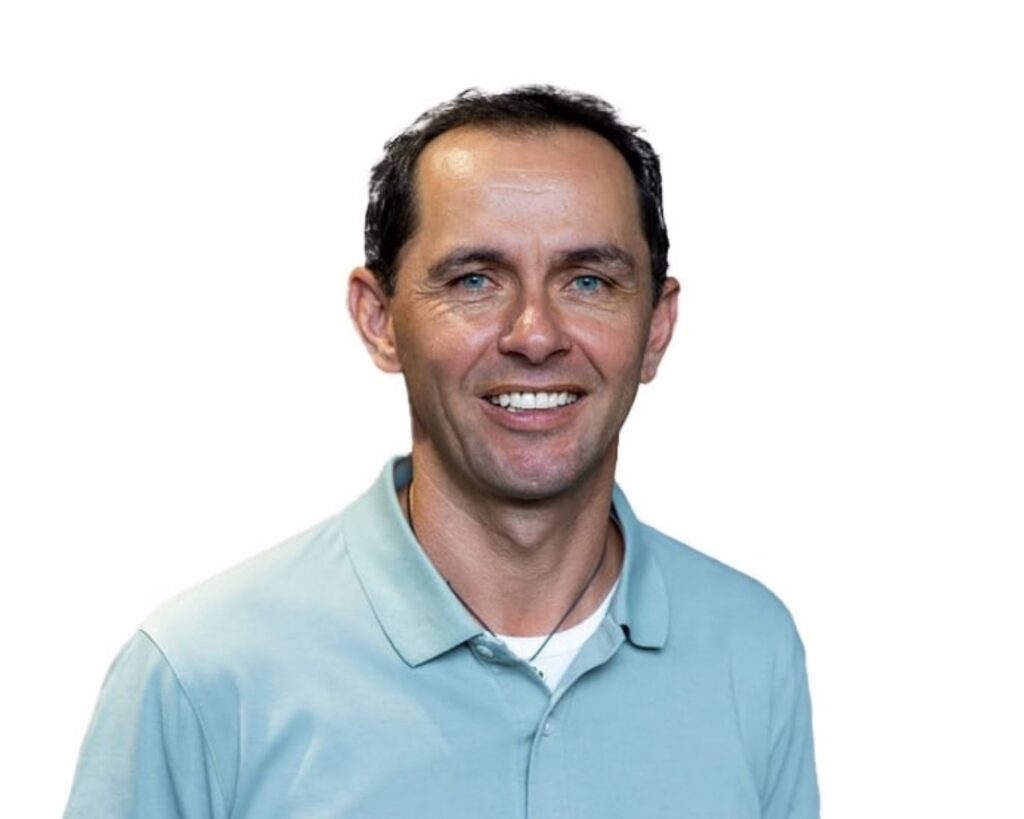
In this episode of the Business Unusual Podcast the entrepreneur, author and founder of fibertime joins Ralf Fletcher to chat about everything from the lessons he learned from one year of running Mxit to the reason why he believes luck and networks have contributed to his success.
Spotlighting South African CEOs who are leading with vision and impact

From financial services and infrastructure to retail, and telecommunications, their leadership reflects resilience, innovation, and a commitment to long-term value.
Predictability is over warns a new global study as adaptability emerges as 2026’s top leadership skill

Boards are increasingly prioritising leaders who can pivot quickly, absorb complexity, and make sound decisions without perfect information.
Leading with Heart in the Age of AI

By Brian Eagar In 2025, leadership is changing in two main ways. The first is through human-centred leadership. This style has come about after many years of leadership that focused on authority, hierarchy and top-down control, often ignoring people’s well-being and personal needs to pursue productivity and profit. Human-centred leadership flips the script and puts the needs, well-being and growth of individuals before tasks or profit. It values empathy, listening carefully and creating a supportive place where people feel respected. More and more organisations are choosing to operate this way, recognising the benefits of human-centred leadership to boost employee engagement and belonging, resulting in a marked improvement in productivity, innovation and ultimately business performance. The second way leadership is being shaped in 2025 is by the rise of AI. While AI’s promise of efficiency is exciting, relying too much on technology can hurt the goals of human-centred leadership. The focus on efficiency, innovation and growth can shift attention back to tasks and results, often ignoring people’s well-being. According to a CNBC SurveyMonkey Workforce survey, 60% of employees who use AI reported that they worry about its impact on their jobs. Insights from the Harvard Business Review also found that, in addition to concerns about AI’s impact, motivation dropped by 11% and boredom increased by 20% when using AI in the workplace. As concerns about job security and uncertainty grow, leaders need to act now. Success will come from leading with both people and technology in mind, with clear understanding and care. This means recognising the power of AI but also being aware of its hidden effects. The promises and reality of AI AI offers great benefits. It can take over routine tasks, help us make better decisions and let teams do more important work. From smart assistants that organise schedules and messages, to systems that give fast data insights, AI aims to make work easier and people more productive. By automating simple tasks, AI can reduce the time and energy employees spend on admin work. This should let people spend more time on creative thinking, solving problems and working closely with others. Leaders are told AI will boost human ability by handling boring tasks and helping us think and work better. In this view, AI does not replace people. It helps them. It is like a teammate, coach or tool that makes work smoother and opens up opportunities for new ideas and growth. But this is only part of the story. Even though AI has benefits, it also causes some hidden problems. Its advantages come with challenges that can negatively impact job difficulty, create stress and reduce how much control employees and teams have over decisions that are based on AI outputs. According to the Deloitte 2025 Human Capital Report, while AI is often praised for improving productivity and easing workloads, its impact on employees reveals significant hidden challenges. 77% of workers report that AI has increased their workloads and 61% fear it contributes to higher burnout rates. Although AI automates up to 45% of routine tasks, employees are left with more complex and mentally demanding work, making their jobs harder rather than easier. Additionally, 33% of workers report reduced human interaction and collaboration due to AI and 28% feel a loss of personal connection. This shows how AI can make workers feel isolated and lonely. Deloitte emphasises that these effects are often unintended and overlooked by leaders who focus on AI’s efficiency gains. This can erode trust and weaken the employee-employer relationship if not addressed proactively. Leading with both heart and AI With this type of study data available, it’s obvious that leaders will have to find the right balance between utilising AI and implementing human-centred leadership styles. Here are three simple ways to do this: 1. Understand the trade-offs Good leaders know that while AI can boost productivity, it can also create problems. Automating work can increase workloads and lead to burnout and letting AI make too many decisions can make workers feel less in control. Also, replacing human interaction with technology can lead to isolation. Leaders must recognise these risks and respond with care and responsibility, always putting employees’ best interests first. This includes intentionally creating an environment where people feel safe to speak up, share concerns and know that their well-being matters; not allowing the grind to take over but instead checking in regularly and creating space for genuine connection. When people feel psychologically safe and know their voices are heard, a sense of belonging grows, even in times of change and especially when that change is introduced through the use of AI. 2. Work with employees to adopt AI Instead of forcing AI on workers, organisations should involve them in deciding how and when it is used. This collaborative approach leads to better and more meaningful use of AI, builds trust and gives employees a greater sense of control. When people help shape the tools they use, they feel more ownership and confidence in their work. They feel their input is valued and respected and this, in turn, supports a stronger sense of belonging, because workers feel included in important decisions that affect their roles. 3. Reinforce the human core of work As the use of technology grows, the risk of loneliness and disconnection increases. Leaders should respond by investing in human connection through mentoring and opportunities for collaboration around shared goals. This creates space for forging genuine relationships, teamwork and emotional support. A strong team is built not just on tools but on trust, care and shared purpose. In 2025, strong leadership means balancing the power of AI and technology with a deep commitment to people. While technology can drive progress, it must not come at the cost of well-being, connection or control. Human-centred leadership reminds us that when people come first, business benefits through stronger performance and better results. Generative AI is positioned as a tool to augment human skills, not replace them. Leveraging human creativity, empathy and contextual
Mentorship beyond career advice: The quiet power of mentorship on the leadership journey

By Phryne Williams There’s a widely held assumption that mentorship is about career advice – helping someone get promoted, mapping out a five-year plan, or sharpening their CV. And yes, sometimes it is. But from what I’ve seen over the years, the most powerful mentorship moments aren’t packaged that way. They come in the form of presence, perspective, and honest conversations at the right time. And for those stepping into leadership, especially women and first-time leaders, mentorship can be the nudge that turns hesitation into action. In my experience, leaders don’t get to where they are without help. Behind many confident, high-impact professionals is someone who offered honest guidance, a fresh perspective, or simply believed in them before they fully believed in themselves. That’s mentorship. Most leaders have had someone who saw something in them early on, or helped during a difficult time, to just figure things out. Sometimes it was a formal mentor. Often it wasn’t. It might have been a colleague, a previous manager, a peer, or even someone just one step ahead. Mentorship creates a bridge between experience and ambition — a relationship that encourages reflection, builds confidence, and sharpens judgement. At its heart, mentorship is simply two people figuring things out together – one with a bit more perspective and a willingness to listen and share their experiences. The other with a bunch of questions and curiosity. It’s where you can ask the real questions, talk things through without pressure, and feel okay not having everything figured out. The best mentors don’t give you a formula. Instead they ask thoughtful questions, challenge your thinking, and try to help you see things more clearly. They don’t try to be impressive. A good mentor just shows up, listens properly, and reminds you what you’ve got in you. This doesn’t mean mentors need to be senior. In fact, some of the best mentorships I’ve seen have come from peers. Peer mentors are usually walking a similar road, which is why those relationships can be so helpful. There’s a bit of give and take. Someone who gets how pressurised things are and understands the hectic pace, and the second-guessing that comes with leadership. Where can you find the right mentor: Mentorship can take many forms. Some companies run structured programmes, and when done well, these can be powerful. Some of the best mentoring doesn’t happen in scheduled sessions, it can be a quick chat after a tough day, a coffee, or a quiet nudge of encouragement to say:“You don’t need to wait to be noticed — you’re ready for that promotion. Ask for it.” Research from Harvard, McKinsey and Forbes continues to show that people with mentors are more likely to be promoted, to stay with their organisations, and to report stronger feelings of inclusion and engagement. Mentorship isn’t just a feel-good initiative. It supports retention, leadership development, and culture. When it works, mentorship offers: And it goes both ways. Mentors often walk away with new energy, clarity on their own leadership style, and a reminder of what they’ve learnt along the way. When done well, mentorship benefits both people in the relationship. So if you’ve had someone who helped you feel more grounded, more capable, or more seen, this might be the moment to offer that same support to someone else. And for those longing for that kind of support? Have the courage to ask for a coffee, to seek out guidance, and to suggest meeting regularly with the intention of learning. Mentorship doesn’t always land in your lap — most times, in my experience, you have to initiate it. Phryne Williams is Founder and Director at Capital Assignments
Leadership is broken – Blanchard SA’s Jayson Naidoo knows how to fix it

What if the real problem in your company isn’t the strategy, the economy, or the competition… but you? In this episode of the Business Unusual Podcast, hosted by Ralf Fletcher, leadership coach and Blanchard South Africa CEO Jayson Naidoo flips the script on traditional leadership. Raised on a small farm, Jayson’s journey from cricket captain to an expert on leadership is anything but conventional—and so is his leadership philosophy. He unpacks the real reasons teams underperform, the shocking truth behind toxic work cultures, and why most leaders—yes, even the “good” ones—are guilty of what he calls “leadership malpractice”. This episode dives deep into the human side of leadership: Whether you’re leading a team, scaling a startup, or just trying to survive in a high-stakes workplace, this conversation will challenge how you think about leadership—and give you the tools to transform it. Because at the end of the day, leadership isn’t something you have—it’s something you do. Hit play. Your team, your company, and your legacy depend on it:
How do we define leadership in a competitive world?
By Daniel Makoni, Managing Director of wCyber There is little doubt in anyone’s mind that the market today is challenging. Companies are looking for the competitive advantage, customers are trying to get more for less, and growth continues to be slow. It’s a tough landscape, but it is one that business leaders can navigate strategically by taking the right steps in the right directions. These are the times that define leadership, and can allow for entrepreneurs and executives to reshape their companies and the ways in which they do business. And these are the questions that you should be asking to help you refine your business and your approaches: 1. Is my product or service genuinely adding value to the customer? This is the most important question. Is this work, this solution, this service actually solving a real problem? Is it relevant and necessary? A business that can answer this question clearly is defining its market and its target. Once you have a clear understanding of what needs to be done, the how gets much easier. 2. Do I have the right people in the right roles? You need the right people doing the right job if you want to fulfil the needs of your customers. Customer service expectations only grow as the relationship grows and this is rapidly becoming a key differentiator, regardless of market. To serve your customers the quality they expect, the motivation of your people is key. Focus on building your internal relationships as much as your external ones. 3. How am I using the technology at my disposal? With the right technology, you can either cut costs or increase revenue. With the right tools, you can take advantage of opportunities that may have previously slipped past, and you can add an edge to your efficiencies and productivity. There are many examples of companies taking tech to the next level – from Amazon using drones to a sole trader adopting a point-of-sale system that helps them better serve their customers. Getting the right tech and using it properly will give any business a boost. 4. Is the business model viable? There isn’t much value in running a business that isn’t sustainable, and sustainable means financial and impact-based returns. Always check if the operations of your business are achieving what they set out to accomplish and have a finger on the pulse of your financial health. Ensure that financials, operations and systems are healthy to maintain a sustainable and successful business. 5. Should I pivot or stay the course? This is, of course, the million rand question, and one of the toughest decisions to make for a business. It needs to be based on both empirical and intuitive evidence and with an agile mindset. Agile is not just a concept, it is an understanding and merging of all considerations. The ability to constantly adapt the business is something that every leader should be able to do. Assess the market, stay abreast of the events taking place, and learn as many lessons as possible from the pandemic. Take lessons from those who succeeded – AirBnB introducing experience tours – and those who failed – companies that refused to go digital. And sometimes, just recognise that timing, planning, people and technology are good enough to ensure that your business can stay the course to success.
How HR can make strategic decisions for your organisation

By Liquid Thought Despite seeing it in company values and website pages, how many businesses can clearly define what it means to be people-focused? Sustainable innovation can be defined as optimising a business at a people level and to achieve it requires a spark of ambition from leaders. This article unlocks smart insights that spotlight HR as a vehicle for sustainable innovation and how creative agencies are leading the way for corporations to follow in this regard. As you navigate, you’ll discover; Knowledge, action, and direction: Leaders who pioneer Human-centred leadership is defined as “leadership that values people.” But how does this manifest itself on a daily basis? We’re seeing how the concept shapes communication, and perspective, and unlocks a sense of trust. It modifies how we approach problems and find progress. “A leader is one who knows the way, goes the way, and shows the way.” We’ve seen how a setup encourages collaboration and an environment has the potential to stimulate employees to be the best version of themselves, but a convenient and comfortable workplace requires one to champion the basics first, then infuse them into your results. Resourceful spaces and personalised experiences are built by transparent and inclusive leaders who constantly steer a balanced ratio between their people, the work they produce and how that evolves their company’s reputation. To be more inclusive and authentic with the employees you serve, let’s take a look at three insights you might want to jump onboard with: We can easily camouflage ourselves in the digital world, but on the other side, there will always be people. Although the notion of humans as a resource – hence “HR” – has prevailed for too long, the realisation that people are more than a resource to be exploited, and rather an asset to be nurtured, is fast gaining traction amongst the savvier companies. Supervising purpose to accelerate growth: A mission statement generated by people HR has emerged as the compass for modelling attitudes and establishing a rich workplace filled with various personalities. To achieve this, HR leaders are diving deeper into data to further understand an employee’s experience. Being authentic in today’s world is more crucial than ever, and one way to do this is by having a purpose based on an ethos, unique to the brand, vital to all stakeholders, and aligned with values. Knowing someone’s triggers as well as their strengths improves communication and helps to build a motivated team; it is at this point that the ‘why’ begins to take shape and a purpose starts to spark. Employee pride, value-based decision-making, behaviour, goal-setting, and a sense of purpose all provide meaning to the work being done, which helps workers get through late nights, tight deadlines, and personality conflicts, or simply go that extra mile when they have the potential. To get a headstart, it’s essential to determine each coworker’s unique style in order to influence and connect with them on a deeper level. After that, tweak your behaviour and adapt the corporate behaviour in response to get the best out of each person. Enhancing your business IQ: Great teams don’t hide from mistakes, they embrace them. An HR specialist can open doors and create synergies with the workflows they design. They have what it takes to champion people to deliver with skill and commitment. Removing outdated methods and replacing them with an iterative-learning path that broadens their skill-set while boosting their self-assurance and helping you achieve mastery. Instead of continually nurturing from the top down, high-performing organisations and well-oiled teams do so in reverse, from the bottom up, as a means of creating transferable skills. Workplaces such as this are driven by innovation and in order to do so, depend on their employees, and their success is contingent on how they treat the people who deliver the results. A cultural lens must constantly be used in HR practice when deciding how to alter one’s tone and internal mechanics. It involves being flexible and agile in how people work, as well as experimenting and testing to the point where lessons from mistakes are used in future efforts to improve performance. It’s the concept of a fertile environment that is constantly under construction, and in a highly competitive market, this can only distinguish your product from the rest. To conclude How you make holistic wellness a key component in your workplace is what creates an environment that thrives with happy people. Happy people are more productive, create stronger, and more cohesive teams, and the minute you begin checking the pulses of employees is the minute you start accelerating the desire to work for your company. HR’s integral role in all of this comes from optimising a business at the level of people and in doing so achieving so much value for an organisation. HR’s involvement in strategic decision-making means wearing the leadership hat and in doing so, can accomplish: Liquid Thought is a collective of Engineers, Creatives, Makers and Marketers – curious, talented and agile humans on a mission to unlock clients’ digital potential. The agency has been working on a range of leading corporates and impactful start-ups for over 21 years.