
A healthy workplace starts with healthy leadership

Employees watch what leaders do far more closely than they listen to what wellness policies tell them to do.
The trends and technologies reshaping HR

The AI revolution dictates that HR cannot credibly lead enterprise transformation while operating according to a model that belongs to the previous era.
4 weeks to go: Tackling the HR headaches keeping you up at night
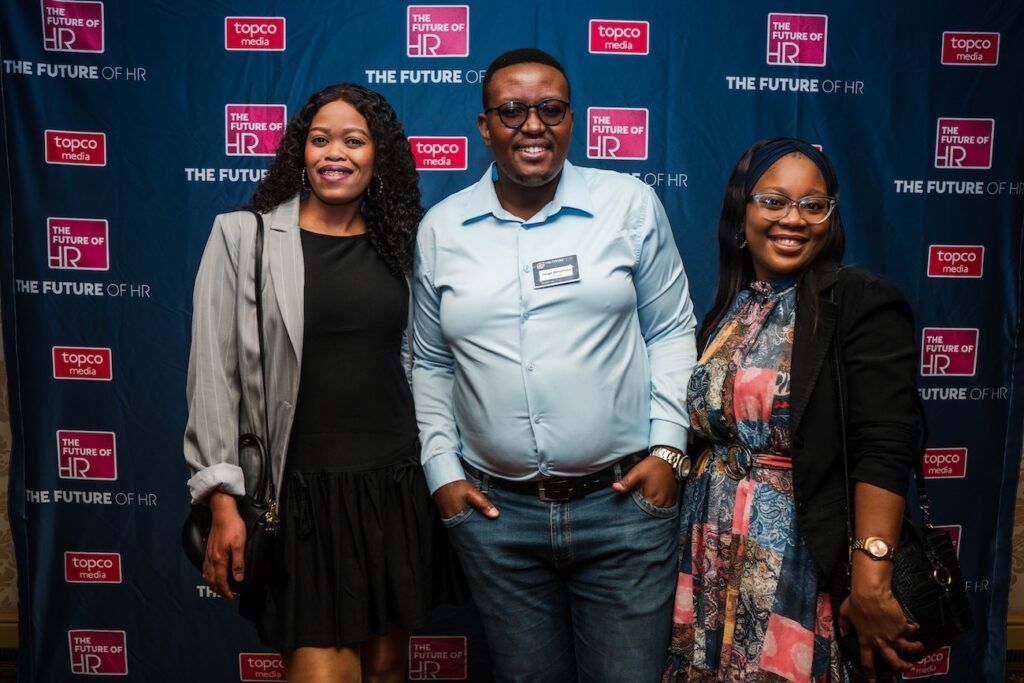
The value of the conference goes beyond what happens on stage.
Are we celebrating diversity or actually living it?

An organisation may have a diversity policy on paper while employees experience exclusion in meetings, conversations, promotions, management relationships or everyday interactions.
Future of HR Conference 2026 returns to help HR leaders solve the problems they can’t ignore
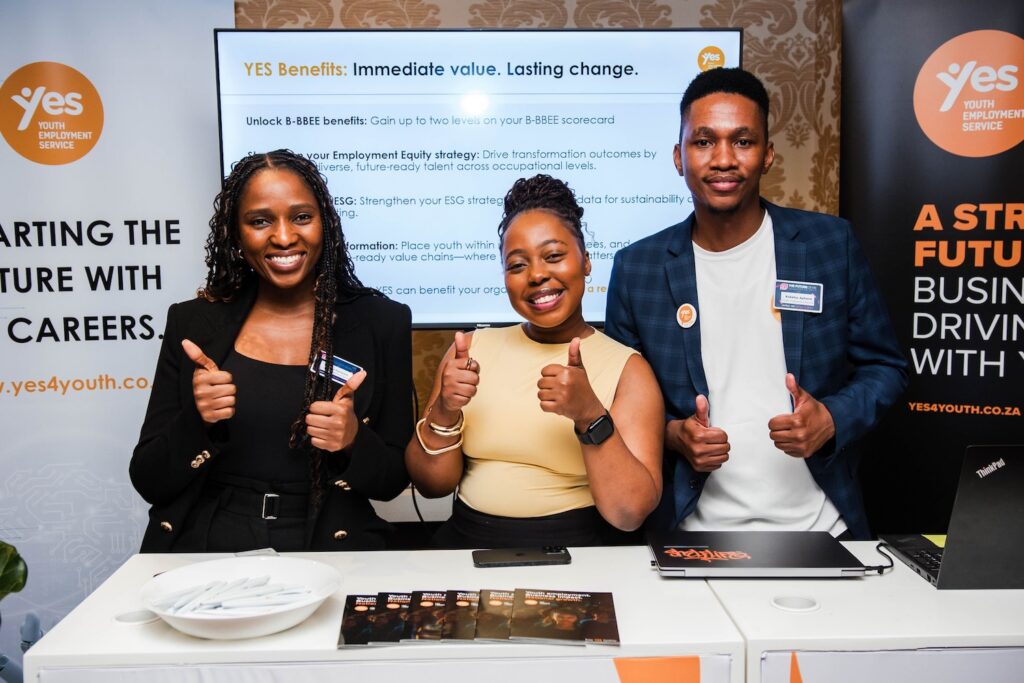
The Future of HR Conference 2026, powered by SALGA, returns to Johannesburg on 14–15 October at the Indaba Hotel, Fourways.
Employees who feel valued, inspired, and empowered: How Durban ICC won a Future of HR award
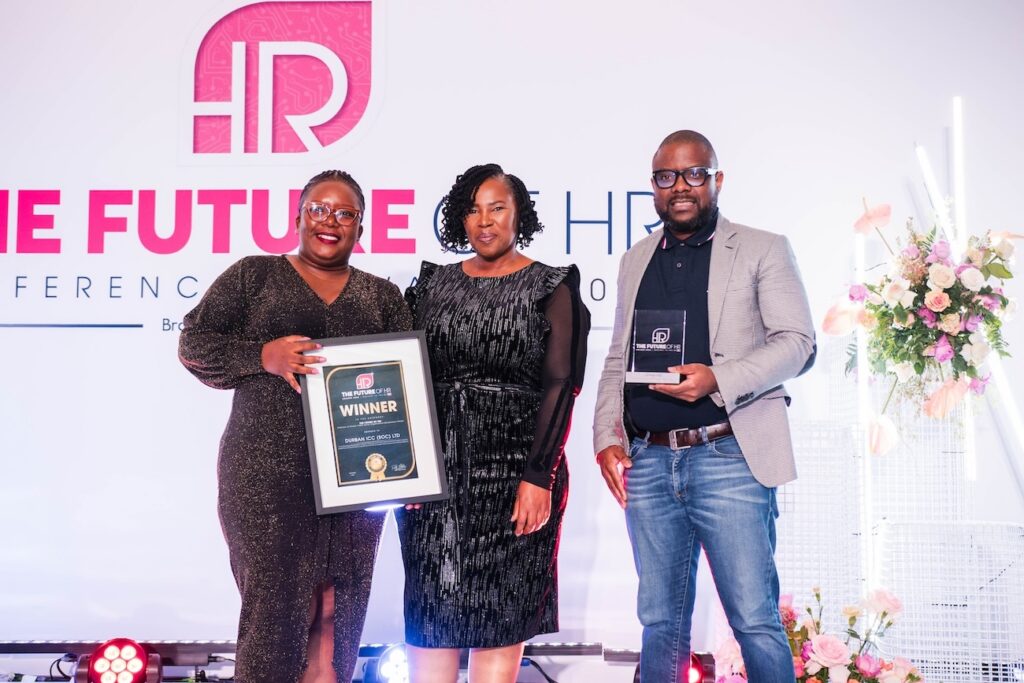
By Koketso Mamabolo “At the Durban ICC, we believe that our people are our greatest asset,” said Lindiwe Rakharebe, the Chief Executive Officer of the 2025 winner of the Future of HR Employer of Choice: Public Sector Organisation, sponsored by SALGA. The Durban International Convention Centre (ICC) is no stranger to accolades. This is another feather in the cap of an organisation whose clients consider it to be among the best in the world. It has been voted one of Africa’s leading meeting and conference centres by the World Travel Awards many times over the last 28 years and the best in Africa five times in a row by the World MICE Awards. However, this time, the five-star rated convention centre, established by the eThekwini Municipality to drive economic activity, was recognised for how it serves its own people. “This award is a tribute to the dedication and professionalism of our staff, who continue to embody the spirit of service excellence that defines our brand.“ READ: Why businesses enter awards The Durban ICC’s approach to work-life balance focuses on professional excellence which is supported by personal fulfillment. Depending on the requirements of a particular role, employees can split their time between working remotely and on-site, with added flexibility for personal responsibilities. The time-in-lieu system for staff who work overtime during peak periods or events is another way of reducing stress and maintaining productivity by giving employees time to rest. Special leave is also available for personal milestones, studying, and volunteer work. To boost morale, collaboration and creativity the Durban ICC has ‘play-and-work’ programmes which integrate fun into the workplace. Annual team-building events are used to build cohesion and fun, lighthearted competitions help connect executives and management with employees. They also host recognition ceremonies for employee achievements and combine team-building with CSI through volunteering drives and community outreach initiatives. A work force that is heard and supported The Durban ICC describes its human resources department as people-centred with accessibility and psychological safety top of mind. The Workplace Forum meets quarterly and includes management, employee representatives, and organised labour. Their Team Talk Sessions are designed to allow employees to engage with management and foster a culture of inclusion and transparency. Their human capital strategy focuses on talent sustainability, performance optimisation, and leadership development. They do talent reviews and skills audits and employees receive individual development plans, mentorship and exposure to cross-functional projects, rotational assignments and leadership opportunities. As part of their succession planning they implement leadership readiness programmes, do bench strength analyses and critical role mapping. Employees receive project leadership incentives, role expansion rewards, and are compensated for filling higher level roles. “Being recognised as an Employer of Choice is not just about policies or programmes — it is about creating a culture where every employee feels valued, inspired, and empowered to make a difference.” The Future of HR Awards celebrates the organisations setting the standard for the future of work. Businesses that are redefining workplace culture, attracting and retaining top talent, embracing innovation, and creating high-performing environments where people and businesses can thrive. Entries for 2026 are now open. Showcase your impact, tell your story, and give our judges a clear view of what makes your organisation, or you, exceptional. To know everything about putting forward a compelling HR Awards submission together, please contact our Awards Manager, Quarnita at quarnita.jumat@topco.co.za
Final call: Just 2 weeks left to enter the 2026 Future of HR Awards
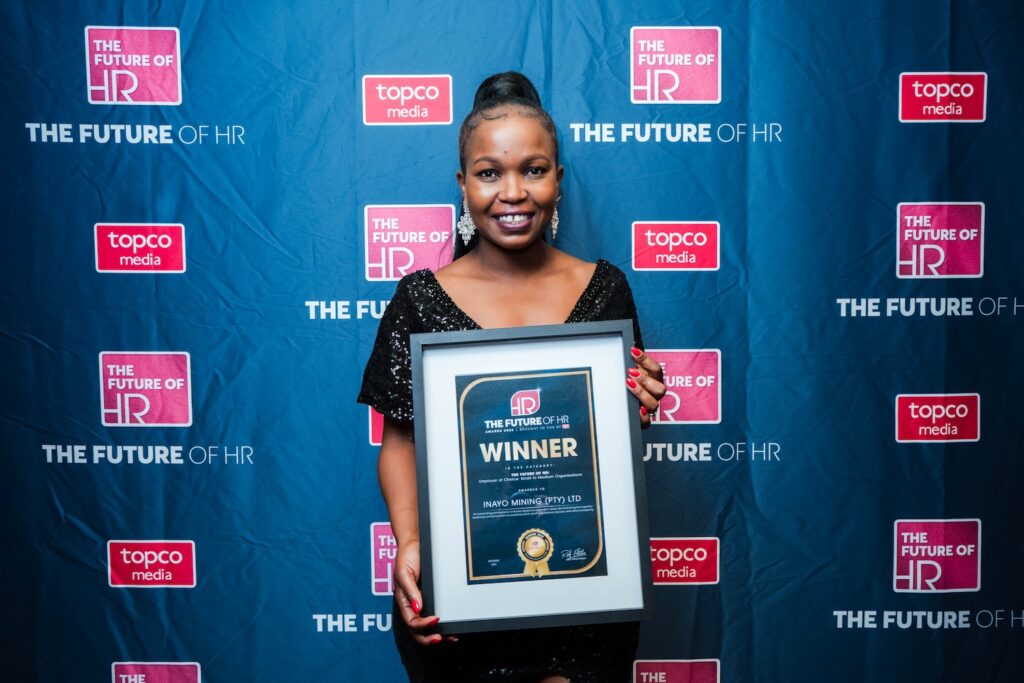
With just two weeks left, HR leaders and organisations across Africa have until 16 September 2026 to enter the 2026 Future of HR Awards, celebrating the people, technology and culture initiatives redefining human capital management across the continent.
Future of HR Conference 2026 returns to help HR Leaders solve the problems they can’t ignore
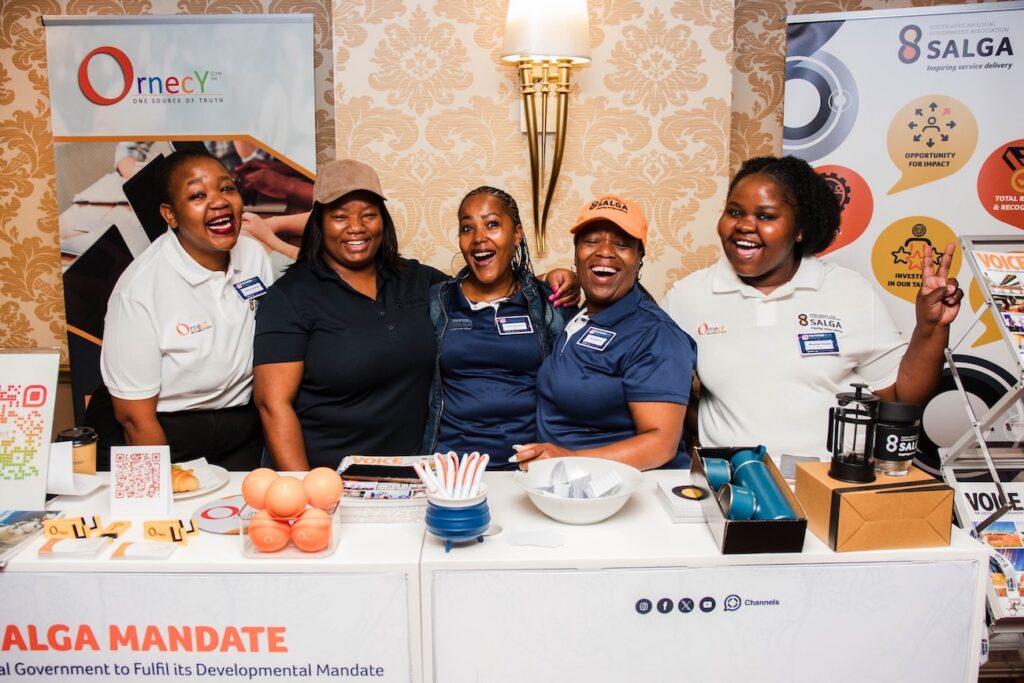
The Future of HR Conference 2026, powered by SALGA, returns to Johannesburg on 14–15 October at the Indaba Hotel, Fourways, bringing together South Africa’s leading HR executives, business leaders and innovators for two days of practical, challenging conversations about how work, organisations and people need to evolve.
Honouring excellence in HR: Entries open for the Future of HR Awards 2026
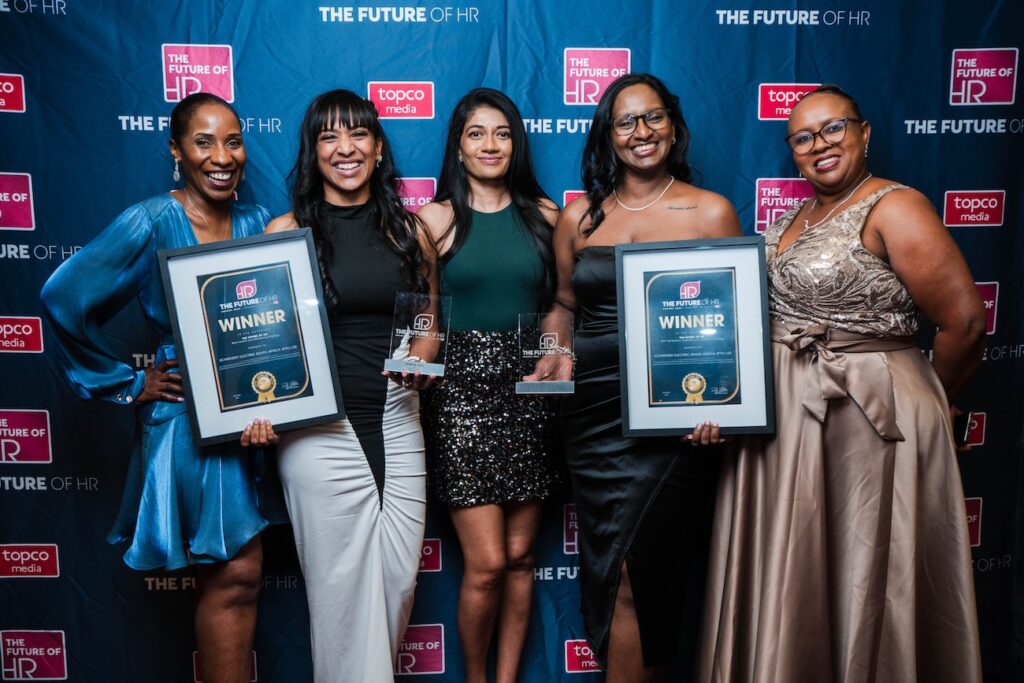
“The awards will culminate in a prestigious gala ceremony on 15 October 2026 at The Indaba Hotel, Johannesburg, held alongside the Future of HR Conference 2026, where the country’s HR community will come together to celebrate excellence and industry leadership.”
Fair Pay Bill: What your business needs to know

“For businesses, greater transparency could offer several advantages. Clearly communicating salary ranges may help attract candidates whose expectations align with the available budget, reducing lengthy negotiations and improving recruitment efficiency. “