By Koketso Mamabolo
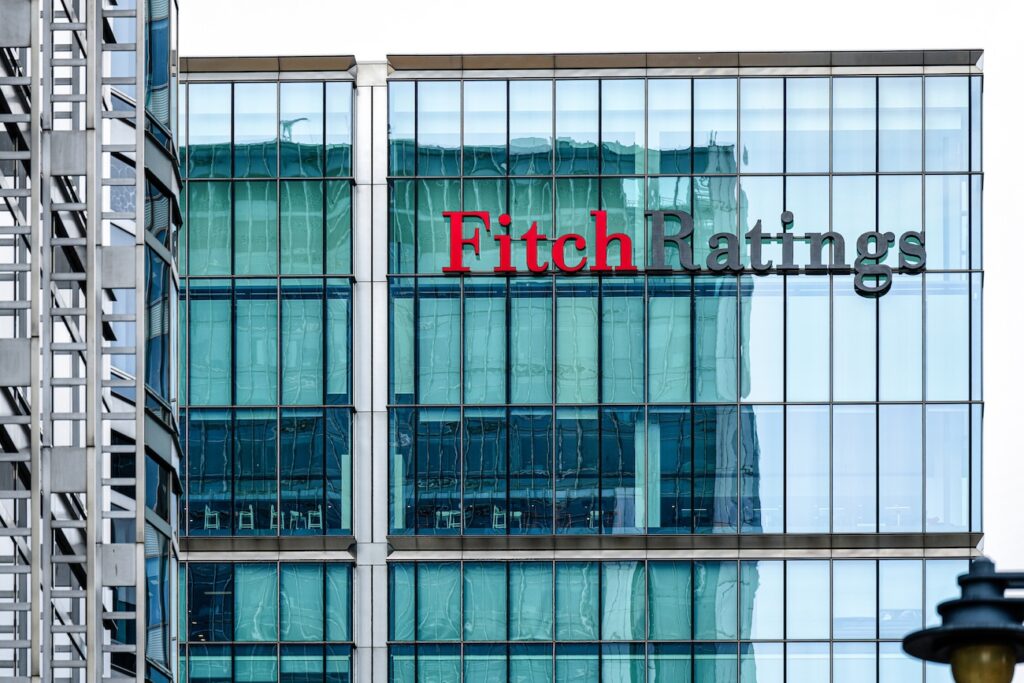
In June, for the first time in over two decades, Fitch Ratings upgraded South Africa’s Long-Term Issuer Default Ratings taking the country from ‘BB-’ to ‘BB’ with a stable outlook.
“The upgrade primarily reflects South Africa’s record of prudent fiscal management and progress on fiscal consolidation despite weak economic growth and domestic and external shocks,” said Fitch Ratings analysts. “Together with GDP revisions, this leaves debt/GDP well below levels anticipated when we downgraded it to ‘BB-’ in 2020.”
This follows the one-notch upgrade from S&P Global Ratings at the end of last year and a positive rating outlook from Moody’s. While National Treasury still is focused on the long journey towards regaining its investment grade credit rating, the recent successes are significant and reflect the work which has been done to improve the country’s prospects.
“For the first time in more than a decade we are seeing a clear turnaround in the downward ratings trend,” said Treasury Director-General Dr Duncan Pieterse in a statement following the announcement of the Fitch upgrade. “The turnaround is especially notable because it comes at a time when the global sovereign credit trend is overwhelmingly negative.”
Why the upgrade?
The constraints facing the country are significant: Low real GDP growth, high poverty and inequality, high debt to GDP and more. Yet Fitch Ratings sees the government’s debt structure as favourable, with a “credible” monetary policy framework and strong institutions. The progress is clear:
From March 2012 to 2019 fiscal primary surpluses languished at 0.6% of GDP – that is now up to 1% over the last four years and strong revenue collection is expected to bring it up by 0.5% next year.
The energy and logistics crises dragged growth down in recent years but the structural reforms under the umbrella of Operation Vulindlela are having tangible effects and could contribute to slightly higher growth in the coming years, which Fitch estimates will be 1.4% in 2027.
READ: The country that builds world champions is learning to build a world-class state
While the country’s debt remains alarmingly high, the government’s efforts to stabilise it are bearing fruit. The National Treasury expects debt/GDP to stabilise at 78.9%, not far off from Fitch’s figure of 80%.
“Debt stabilisation is due to improved fiscal performance and stock-flow adjustments with drawdowns on deposits and lower discounts at issuance, the latter reflecting improved market sentiment,” said Fitch.
They however disagree on the outlook for 2028. Fitch expects debt/GDP to rise again due to low real GDP growth while National Treasury is more optimistic.
What could go wrong?
If the country fails to stabilise debt/GDP, suffers sustained shocks and sees growth weakening, there is a high chance the rating will be downgraded. In its 2026 Budget Review, National Treasury outlined the risks to the positive fiscal outlook:
“The main risks to the fiscal outlook are weaker-than-expected global and domestic economic growth; commodity price volatility; the financial health of state-owned companies; and higher borrowing costs due to geopolitical risks, adverse global monetary conditions or changes in investor sentiment.”
Sovereign credit ratings raise the cost of borrowing leading to higher taxes, poorer public services, higher tax and interest rates, and a general higher cost of living. As noted in a 2025 United Nations Development Programme report, a bad credit rating denies countries access to development funding and aid.
“Countries with higher ratings have more favourable terms and larger financing volumes – either lending or foreign direct investment (FDI) – boosting their development prospects.”
The UN used South Africa’s approach to credit ratings as an example of best practice citing policy transparency, targeted reforms and “proactive” communication as excellent strategies for pushing for upgrades and for mitigating the risks from downgrades. National Treasury’s dedicated credit rating liaison team engages with the agencies, gathers data, compiles reports, monitors feedback, and works with other government stakeholders to align policy and communication.
If the country continues to find success with its strategy, a return to investment-grade may be a couple years in the future as opposed to the two decades it took to get here.
Sources: Fitch | National Treasury | UNDP | BLSA