By Koketso Mamabolo
From as early as the 6th century the skills, capacity, and capital of the private sector has been used to build public infrastructure. Whether it be harbours, roads, railways, bridges, canals, or supplying water and electricity – from the Roman rulers to the modern technocrats, the private sector has been trusted with projects big and small.
While much of the 20th century saw growing nationalisation of assets and the tightening of control over utilities, the rise of public debt and a shift in policy sentiment towards a free-market approach in the 70s and 80s saw government’s formalising and expanding the involvement of the private sector. This was encouraged by the World Bank and regional financial institutions which supported efforts by governments to enter into Public-Private Partnerships (PPPs).
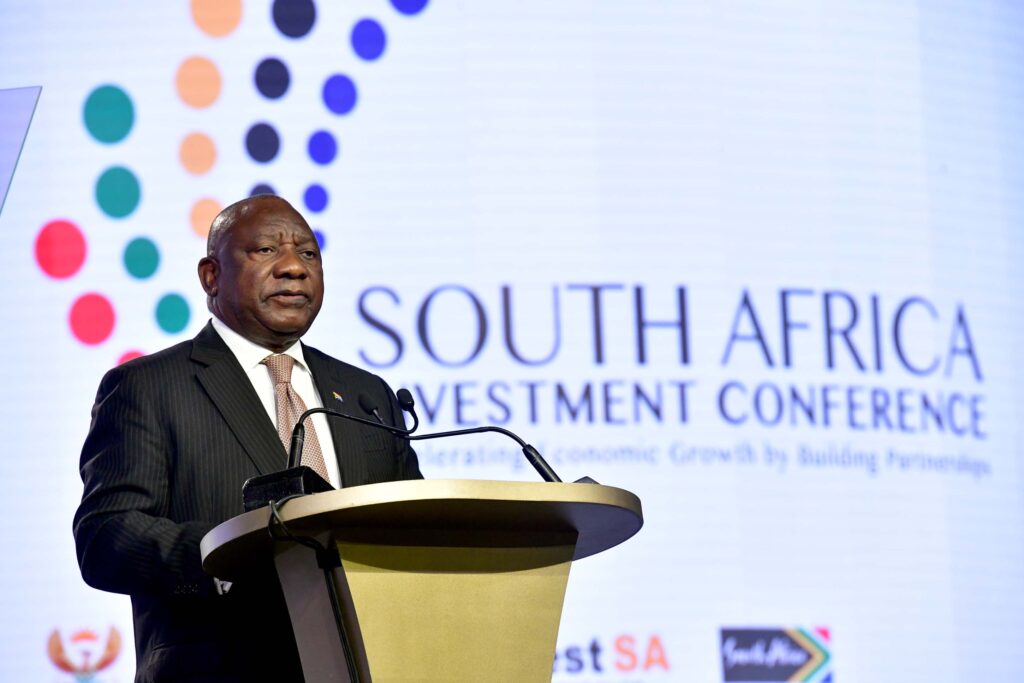
While South Africa’s own foray into PPS began in the late 90s, it is only in recent times that they have been seen as one of the most viable financing solutions to the state’s problems. With an infrastructure backlog that has placed a massive strain on economic growth, PPPs are a central tool in President Ramaphosa’s administration’s attempts to bridge the gap.
Why PPPs?
Whether it be a large public sector institution with a national footprint like Eskom, or a municipal entity, a PPP is a contract between them and a private party who is responsible for a significant portion of the end-to-end process as well as the operational and financial risks.
Much of the approach to PPPs was pioneered in the 80s and 90s by Britain and France, as the Cold War tensions began to melt and the Washington Consensus took hold. It was in this environment that South Africa’s first PPP project, the SANRAL N4 East Toll Road, was completed in 1998. A year later National Treasury formed the PPP unit. Almost three decades later the crinkles have been ironed out with clearer legislation and frameworks and an understanding of the pros and cons.
They’ve also expanded beyond “hard” infrastructure and spread to social infrastructure (hospitals, schools etc.), municipal services such as waste collection, ICT services, and even environmental programmes.
While PPPs in the country cover much ground, it is in the energy and infrastructure sectors that the government is placing a great deal of emphasis on. These sectors also happen to require a lot of money and technical expertise.
PwC expects 63% of infrastructure investment in the country over the next ten years to go towards transport, resources, and energy. Because state budgets are limited, upfront, full-scale public investment is not always a viable option. PPPs allow the state to spread funding commitments over the long-term.
For the private sector, there is the promise of reliable results, despite significant risks being transferred over to them. Competition between potential private partners means cheaper and faster options for the government to choose from.
The point is not privatisation (ownership of public assets is not transferred and contracts have defined lifecycles), it is more like a helping hand which everyone stands to benefit from.
One success after the other
The challenges of PPPs are political and social, as well as issues around who is responsible for what. In the last two decades the private sector sentiment towards the public sector was negative, with good reason: The country was gripped by the State Capture era, infrastructure decayed, blackouts dimmed future prospects and throttled growth, credit ratings were downgraded and then COVID hit.
The global pandemic forced a perspective shift. Both sides had to sit together at the table to build trust with the realisation that their combined efforts were required. With the virus tamed, energy and logistics were next on the agenda. Now infrastructure is the next big target as efforts to ensure a stable, sustainable supply of electricity and water continue.
According to the state, over the next couple of years infrastructure spend is expected to reach R1-trillion. But as President Ramaphosa has highlighted, [the state] alone cannot finance the scale of infrastructure our country needs.” The private sector’s muscle is required.
The groundwork for these partnerships have been laid through Operation Vulindlela which continues to deliver the results of restructuring that National Treasury has pinned its hopes on. Reforms have been initiated to accelerate infrastructure delivery which include removing bureaucratic inefficiencies, enhancing the attractiveness of projects for investors, and building technical capacity in the public sector.
READ: The country that builds world champions is learning to build a world-class state
The approach of President Ramaphosa’s administration is to treat the private sector as an inseparable part of realising the state’s aspirations. The way Martin Kingston, the chair of lobby group Business For South Africa – the implementation arm of Business Unity SA – describes it is this:
“The private sector is not a sectional interest which the state chooses to engage. It is the very foundation on which the developmental state stands.”
For Kingston, the current global context makes PPPs about more than just what happens within our borders, they are geopolitical imperatives and an invaluable tool in our fiscal strategy.
The results are clear. From the COVID response and the removal of the country from the Financial Action Task Force Greylist – which saw over 150 chief executives from corporate giants joining National Treasury at the table – to loadshedding seemingly becoming a relic of the past.
“The support that business contributed to the government partnership is not aid. It is not conditional lending. It is not infrastructure-for-resources. It is primarily domestic private resources, voluntarily mobilised and deployed through transparent governance structures in direct partnership with an elected government pursuing a national development agenda,” continues Kingston, writing in the Daily Maverick.
“The partnership model that South Africa has developed is not just a domestic governance innovation. It is a prototype for a new kind of development partnership, one that mobilises private capital capital without surrendering public sovereignty, that delivers results without creating dependency, and that builds institutional credibility from inside rather than importing from outside.”
Connecting decision-makers
The matter of how we are going to build our future through a capable state is one of the topical discussions that will be had at this year’s Public Sector Leaders Summit in Johannesburg where leaders from both the private and public sector will be taking attendees through what the country needs and how they can collaborate to make it possible.
The trillion rand question is can we spend our way to better infrastructure? How do we ensure accountability? Do we have the right systems in place? Do we have the skills? Is there political will that will extend beyond this administration?
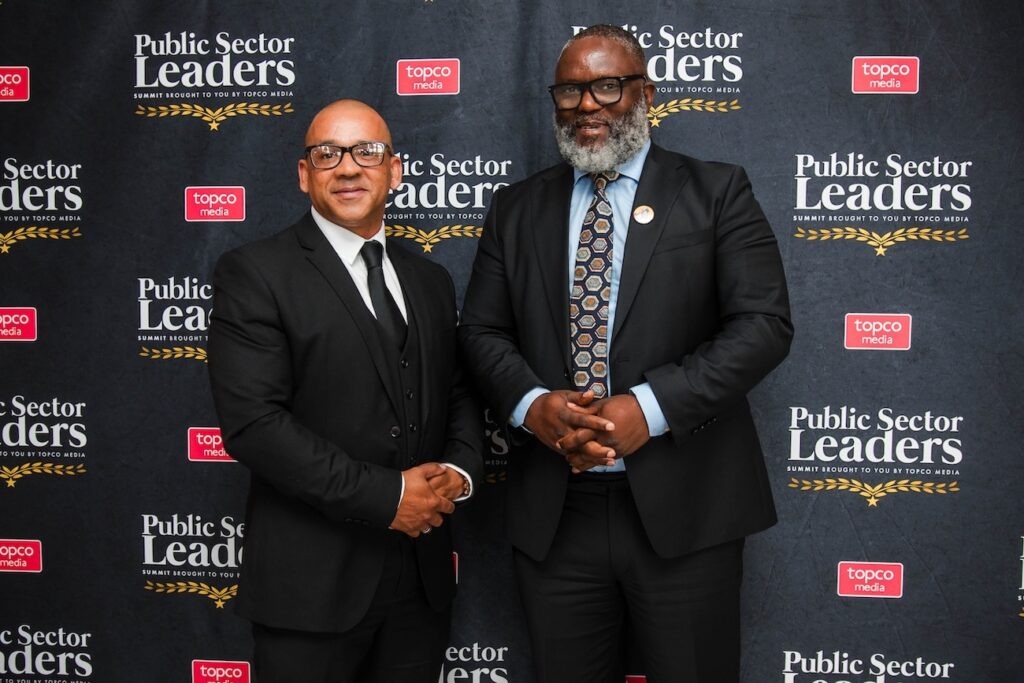
“These are the conversations we need to be having and there are not many opportunities for all levels of government and business to have them,” says Emlyn Dunn, National Project Manager. “Through the Public Sector Leaders summit we hope to contribute to the national conversation, provide a starting place for partnerships, and make space for ideas to be shared.”
Taking place at the Indaba Hotel & Conference in Fourways from 15th to the 16th of August, the Summit promises to be an event which anyone with a stake in the country’s future would not want to miss. To find out how you can become a partner, reach out to Emlyn Dunn at emlyn.dunn@topco.co.za or get your tickets now and be part of the conversation.
Sources: Daily Maverick | PwC | SA Gov News | PPP Alliance