By Koketso Mamabolo
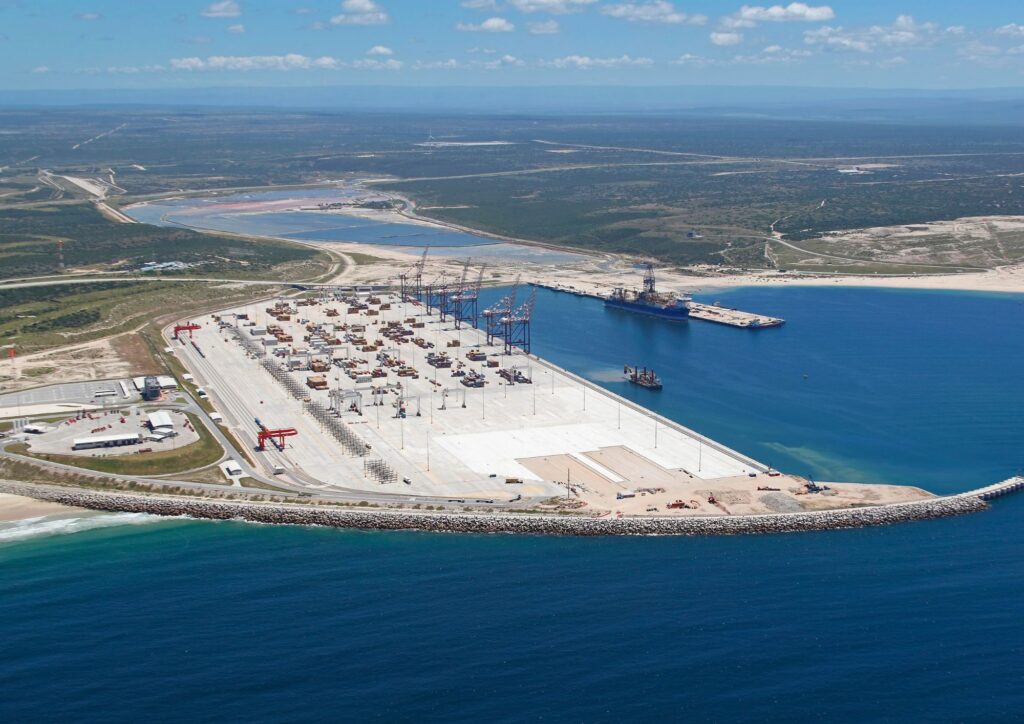
When implemented and managed properly, Special Economic Zones (SEZs) can be a powerful tool for industrial development. They fit perfectly into the public-private partnership model South Africa is pursuing and intentions for greater cross-border collaboration, particularly in the current geopolitical climate, and with the implementation of the African Continental Free Trade Agreement (AfCFTA).
The objective is to increase exports through industrialisation while building infrastructure which meets international standards and expanding employment opportunities. SEZs are one of the elements of the country’s Industrial Development Strategy but to date they have not been as effective as they could be, as seen in a policy review conducted by the World Bank Group at the behest of the South African government.
“South Africa’s SEZs offer sector-specific, investment-ready infrastructure that gives them a distinct advantage over conventional industrial zones, though utilisation remains below potential,” reads the policy review.
Key findings from the Bank’s report were referenced by government officials at the second International Special Economic Zone Infrastructure and Investment Conference in July which brought together over 1 000 delegates ranging from investors, SEZ operators, businesses, SEZ experts, universities, think tanks, financial institutions, to local communities, trade partners and government officials who shared ideas, discussed challenges and recognised success.
According to the Department of Trade, Industry, and Competition (dtic) – which SEZs fall under – these zones are “designed to create new industrial hubs, promote industrial capabilities, promote natural resource beneficiation and value addition, attract foreign direct investment, accelerate economic growth and innovate economic activities.”
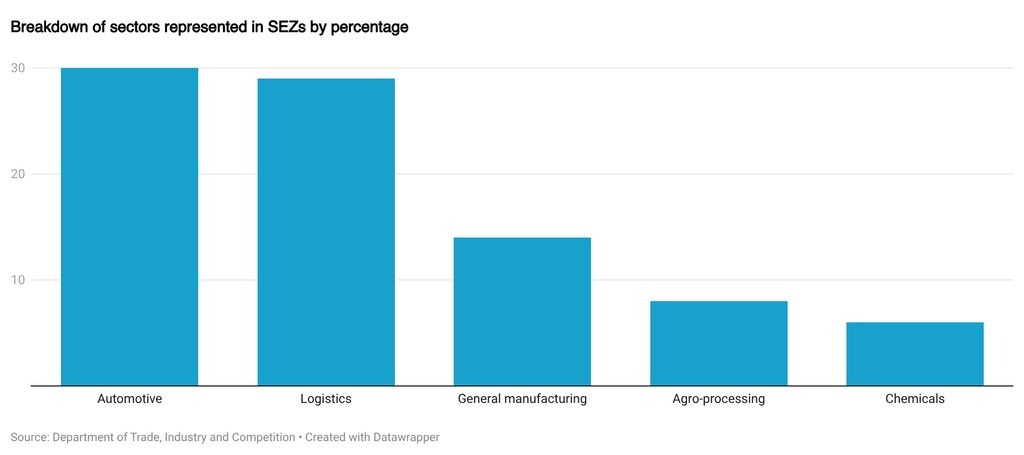
With the current approach closing in on two decades, there are results which point to what is possible, as highlighted by the dtic Minister, Hon. Parks Tau, who spoke at the exhibition which showcased some of the companies who occupy the SEZs:
“Ford’s expansion at the Tshwane Automotive SEZ (TASEZ) has unlocked R16-billion in private investment, alongside R5.9-billion from other TASEZ-based investors, delivering 3 333 direct jobs to date.
“Richard’s Bay Industrial Development Zone has moved from slow early traction to a pipeline of 24 potential investors worth an estimated R247-billion.”
Performance challenges in the last few years prompted the dtic to ask the World Bank to assess the programme’s effectiveness. SEZs were implemented in response to spatial inequality and a lack of export-led growth. For communities, they offer increased economic activity which mean job opportunities and improved infrastructure. For operators the case is equally a compelling one.
Firstly, they offer streamlined regulatory processes and fiscal incentives including preferential corporate tax rates, VAT exemptions, import duty rebates and building allowance. SEZs also have world-class, sector-specific infrastructure in services ecosystems with additional offerings such as data centres and fibre installation available.
Despite these benefits and the success of zones such as TASEZ, the World Bank identified a few challenges. A survey found that 67% of SEZ operators believe the policy isn’t working well (the same for tenant businesses), more than half of which point to the tax incentive eligibility criteria. The performance of Transnet and Eskom have been constraints on the reliability and expansion of the programme.
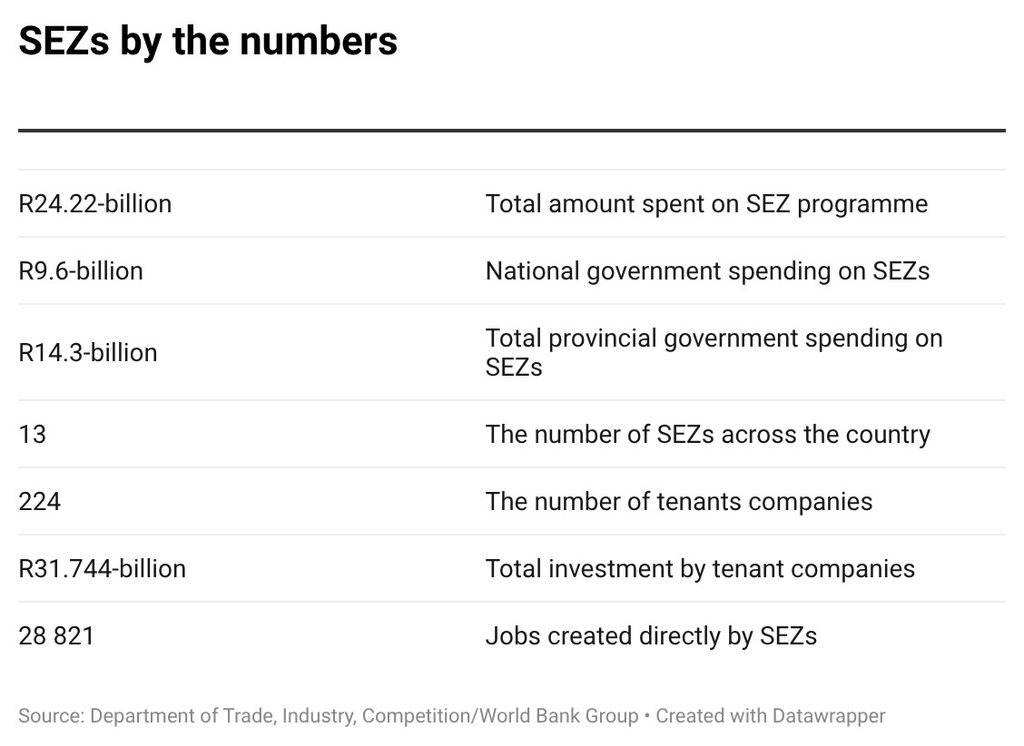
In order to make them more effective, the World Bank recommended a few solutions which include increasing the number of private sector industrial parks, more non-financial incentives, municipal coordination, formal intervention process for underperforming zones, and private sector management of SEZs.
“The Industrial Development Strategy aims to increase the manufacturing sector’s GDP contribution from 12%, as manufacturing has significant multipliers to reduce socio-economic issues like unemployment especially among youth and women,” said Deputy President Paul Mashatile at the conference. “The Special Economic Zones Programme is a key mechanism for this re-industrialisation agenda, and after more than a decade, it’s crucial to evaluate its impact.”
“We have 5 400 SEZs globally competing for the same capital. We cannot compete simply by being the cheapest. We compete by being the most strategic, the most reliable, and the most inclusive.”
SEZ award winners
- SEZ of the Year – Coega
- SEZ Investment of the Year – Richards Bay Industrial Development Zone
- Most Improved SEZ Operator – OR Tambo Special Economic Zone
- Best newcomer – Tshwane Automotive Special Economic Zone
Sources: dtic | SA GOV | World Bank | Citizen | Engineering News