By Koketso Mamabolo
The answer to the question of where to invest in Africa, in times such as these, is not a simple one.
According to Rand Merchant Bank (RMB)’s Where to Invest in Africa 2026/27 report, the strongest performers are doing four things:
- Maintaining consistent policy
- Strengthening institutions
- Diversifying their domestic economy
- Improving governance.
These thirty-one economies represent 90% of the continent’s GDP, 83% of the population, and almost two-thirds of the land mass. There’s good news for Morocco and Nigeria, but a slight disappointment for South Africa amid the positive signs.
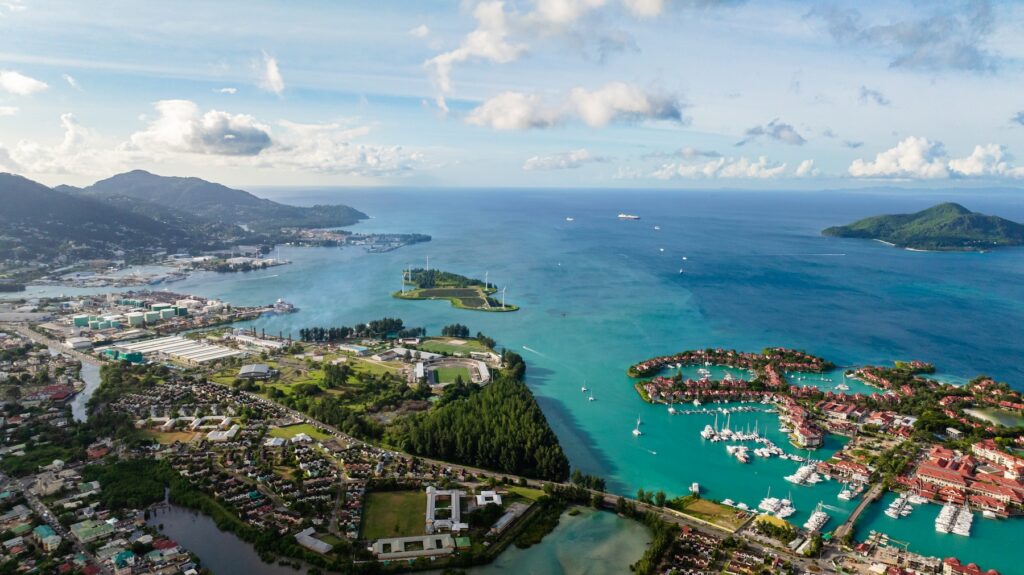
Seychelles, Mauritius, and Egypt hold the top three spots for the third year running. They are not just among the most popular places to go on holiday, they are also among the best places to invest because they offer good institutions and stability.
Morocco overtakes South Africa
This year Morocco climbs up to fourth, with South Africa dropping to fifth. How does an economy less than half the size of South Africa’s get there? Simply put: momentum. South Africa’s nominal GDP came in over $400-billion in 2025, but Morocco’s economy grew by 4.9% against a paltry 1.1%, and the gap widens once inflation is factored in. Moroccan inflation stayed below 3% from 2024 to mid-2026, while South Africa averaged 5% over the five years to the middle of this year.
Morocco’s rise is a reflection of the work it has put into industrialisation, diversifying exports and investing in infrastructure, says RMB. The north African country has emerged as one of the continent’s leading manufacturing hubs, with automotive manufacturing playing a major role. Renault and Stellantis anchor a car industry that produced 501 965 vehicles in 2025 (South Africa produced 618 077), or 40.8% of Africa’s total, and the African Development Bank’s industrialisation index now ranks Morocco ahead of South Africa.
Foreign direct investment roughly tripled from its 2023 low to $3.3-billion in 2025. Plus, Morocco hasn’t had to deal with electricity and logistics crises like South Africa.
RMB is clear that this is no catastrophe for South Africa. It “remains among the continent’s most attractive investment destinations and continues to benefit from deep financial markets, improving energy security, and reform momentum, but slower growth has seen it narrowly lose ground this year.”
Since the start of the new administration, there are bright spots here and there: South Africa was removed from the Financial Action Task Force’s grey list last year; has gone well over a year without loadshedding; and Fitch delivered the country’s first upgrade in two decades.
“The central message of this year’s report is ultimately an optimistic one. Africa remains home to some of the world’s fastest-growing economies, youngest populations and most
significant untapped opportunities. But the continent’s success will be increasingly determined by resilience rather than aspiration alone.”
Read the full ‘Where to Invest in Africa 2026/27 ‘report
Sources: Rand Merchant Bank | StatsSA