By Francois Retief, CEO of Takealot Fulfilment Solutions (TFS)
Whenever a shipment ships to its destination, it generates mountains of paperwork and passes through the hands of many people. This creates massive administrative challenges that the freight industry has long worked on to improve.
In the 1980s, the United Nations created a global standard for structured electronic data exchange called UN/EDICAFT, as well as UN/LOCODE, a standard code to identify locations such as ports. Digital technology is the real gamechanger, and as far back as 2006, the International Air Transport Association (IATA) proposed a digital and paperless improvement it called e-freight.
Today, companies like Takealot Fulfilment Solutions (TFS) are at the forefront of e-freight, delivering many benefits like using cargo capacity more efficiently and providing online package tracking. Electronic bill of lading standardisation and advanced cargo information (ACI) systems simplify compliance and governance. African Logistics reports that around 70% of SA’s large logistics operators use advanced digital systems, and there is a small but growing number of robotic warehouses in the country.
E-freight’s relevance
In 2014, South Africa’s freight transportation brought in revenues of around R126-billion, according to Stats SA, which in 2024 grew to R215-billion. Mordor Intelligence projects it will grow to R340-billion by 2030.
Online commerce is one of the big winners of e-freight. E-commerce giants such as Takealot and logistics pioneers like TFS provide the systems and visibility that buyers, sellers, and shippers expect.
E-commerce is also growing e-freight. Online retail will represent 10% of the country’s retail by 2026 and be worth over R130-billion, says World Wide Worx. Other African regions are also showing this trend. 60% of freight operators in Kenya’s major centres use mobile-based cargo tracking to meet the expectations of a fast-growing online retail sector that is already bigger than 5% of the country’s total retail market, according to African Logistics.
But reasons to use e-freight go further than happy online shoppers. Modernising freight processes and document handling improves many freight challenges, like the visibility of transportation and cargo demand, unpredictable transport earnings, administrative delays at borders, and manual processing’s high costs.
E-freight: A sustainability champion?
The interconnected modern world needs sustainability, which is why the UN established its 17 Sustainable Development Goals (SDGs). The freight industry can support several SDGs, such as SDG 9 (Industry, Innovation, and Infrastructure) and SDG 12 (Responsible Consumption and Production). But to do so, it needs to address some problems in its operations.
The sector’s large carbon footprint is the biggest issue. Freight contributes approximately 9% of global greenhouse gases, according to the MIT Supply Chains Initiative. In South Africa, the figure is 10.8% (Department of Transport) because of a heavy reliance on road transport.
Digitisation reduces carbon by making freight operations much more efficient. For example, the International Transport Forum predicts that real-time data and integrated transport management systems will increase transportation efficiency by 10%. These will reduce dwell times between different freight modes by 20%, and just-in-time arrivals will improve fuel efficiency by 10%. The ITF expects that as e-freight matures, these benefits will double by 2050.
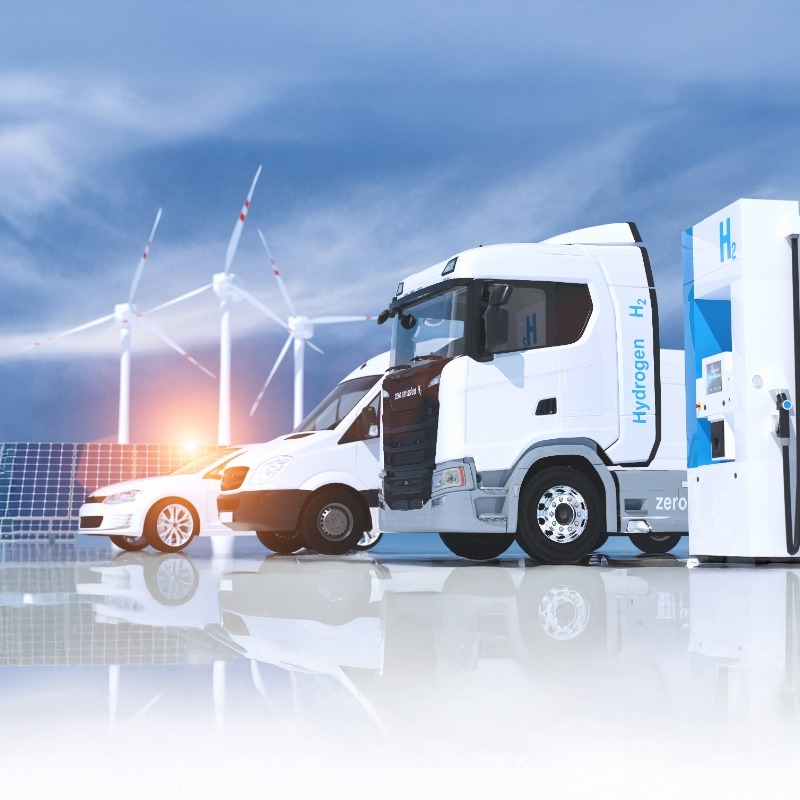
Fleet electrification is also helping reduce carbon emissions. The OECD reports transporting goods by road consumes roughly half of the world’s diesel, and electrifying fleets with solar energy significantly reduces both that consumption and its associated costs.
For TFS a key strategy is to create a more sustainable supply chain by reducing environmental footprint through responsible packaging, smarter logistics planning, and cleaner delivery solutions. Part of this includes the adoption of electric vehicles (EVs) in last-mile delivery.
We’re making meaningful progress in this space. The business currently operates Africa’s largest commercial electric truck fleet. Electric vans, mopeds, and bicycles are deployed across high-density routes to reduce emissions, noise pollution, and dependency on fossil fuels. This fleet is set to double within the next 12 months, supporting the long-term goal of electrifying a greater percentage of the delivery network nationwide. Every EV deployed has an impact: each electric delivery vehicle approximately reduces operating costs by an average of 12.75% per month through the removal of diesel consumption.
This reality is excellent motivation for using electric freight vehicles. Freight companies are using digital systems to run advanced fleet management and solar infrastructure. They are using technology to also reduce fuel costs.
Supporting SA’s e-freight future
The freight industry is using innovations like paperless transactions, artificial intelligence, fleet electrification, and Internet of Things intelligence, boosting efficiency while simplifying compliance and reporting. E-freight helps combat climate change and deliver sustainable economic growth. But to keep the momentum, SA needs strong policies such as a national digital strategy for transport.
The Department of Transport’s new strategic plan centres on transportation as the heartbeat of SA’s economic growth and social development. It aims to “lead the development of efficient integrated transport systems by creating a framework of sustainable policies and regulations” and create “implementable models to support government strategies for socio-economic development.”
E-freight is leading a wave of change ahead of fantastic opportunities. The African Continental Free Trade Area (AfCFTA) is expected to increase trade volumes dramatically. To be a part of that growth, South Africa needs to implement effective policy and improve transport infrastructure. Digital technology is a very powerful part of that change. It ensures that truck drivers no longer need stacks of paperworks, logistics teams can assign routes and deliveries with incredible accuracy, and freight arrives on time and within budget. That’s the future e-freight is creating, and that future is already here.
Francois Retief, CEO of Takealot Fulfilment Solutions (TFS)