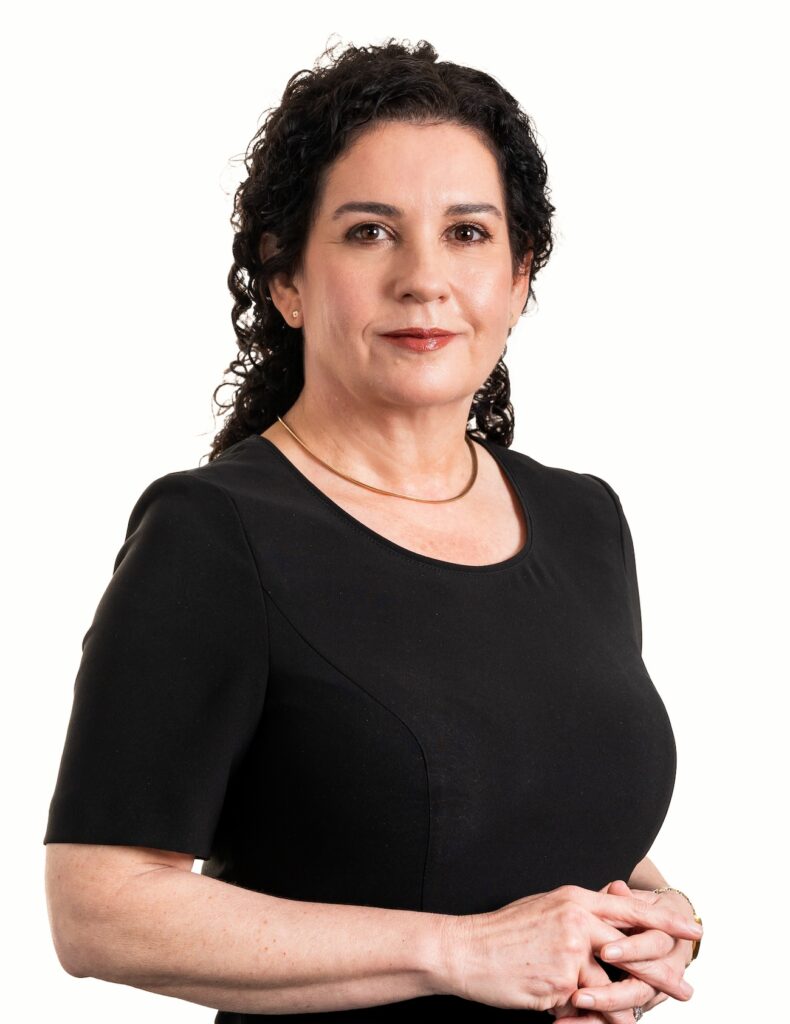
By Ansie Ramalho, Chairperson of the King Committee
In October 2025, the Institute of Directors in SA launched the fifth iteration of the King Codes of Good Governance. King V is a voluntary, principles-based guidance on corporate governance, not formal law. So what is its significance for corporate SA?
Since 1994, the King Reports have mattered a great deal by encouraging organisations to aspire to higher ethical standards than mere compliance to legal requirements. They became internationally renowned for their emphasis on ethical and effective leadership and integration of sustainability long before this turned into a mainstream demand. South Africa was the first country in the world to have a governance code that dealt with sustainable development. The King principles and practices have been so influential that failing to follow them can be seen as evidence of negligence or misconduct, and have been used towards that purpose by the courts.
King V continues the evolution of the King journey. As a revised, simplified and streamlined update, it replaces King IV and makes the Code more accessible across sectors and organisational types: from private companies, retirement funds, medical schemes to state-owned entities and municipalities, public higher education institutions, civil society organisations, and SMEs. King V’s strength lies in its flexibility and proportionality that enables tailored governance solutions, rather than prescriptive one-size-fits-all rules.
Nowadays, it’s as important for board members to be sustainability and tech literate as it has traditionally been to be financially literate. Here King V matters greatly too, because it provides the governance guidance for boards to navigate emerging risks, opportunities and stakeholder expectations, while maintaining strategic coherence and adherence to ethical standards. Much has happened in the nine years since King IV was released, requiring the King Committee to assess local and global challenges such as geopolitical conflict, artificial intelligence, and fair pay governance. Also top of mind was the climate crisis with its growing impact on companies through extreme weather risk, supply chain disruptions and rising insurance and compliance costs.
The further significance of King V is that it takes cognisance of the new sustainability reporting standards, notably by the International Sustainability Standards Board (ISSB) and the European Sustainability Reporting Standards (ESRS). It even goes beyond the ISSB standards, which follow a single materiality approach that requires companies to only report on factors affecting their financial performance and future cash flows. When King IV was drafted in 2016, the term “double materiality” wasn’t in play yet, but the Committee made it clear that organisations needed to consider not only the effect that the stakeholders and external factors have on them, but also the impact that organisations have on their natural environment, society, and stakeholders. King V now explicitly mentions and supports double materiality.
It’s been the King Committee’s ongoing objective to make the Code more accessible and easier to interpret and apply. In King V, the wording and presentation are therefore simplified, and the principles outlining the desired governance objectives are consolidated. Where King III still had 75 principles and 666 practices, King IV was down to 17 and 215 respectively, with King V streamlining these to 13 and 150. Another user-friendly aspect is the deconstruction of the King V Report into four documents (Foundational Concepts, Code, Glossary and Disclosure Framework) that can be accessed separately.
The Disclosure Framework represents the most impactful change from King IV to V. Any organisation wanting to claim application of King now has to use the Framework and publish governance disclosures online in accordance with its specifications. Like in King IV, organisations still have to “apply” the principles and “explain” the practices, but now also require a concluding statement detailing the board’s opinion on whether it has realised the value of governance outcomes for the organisation as stated in King V.
The Disclosure Framework will boost transparency and consistency. Standardising the disclosure requirements will be helpful for regulators, shareholders and other stakeholders, as it promotes accessibility and comparability while assisting organisations with the tracking of their own implementation of King V. The Committee also expects that the Framework will solicit conversations internally at organisations around which practices are being applied.
All this is of significance, now and in future, as the Code reflects a living governance system shaped by those who interpret and apply it. King V strives to be a change agent for good corporate governance in South Africa, but can only benefit those who are prepared to implement it. And this has just become significantly easier.
Ansie Ramalho is the Chairperson of the King Committee