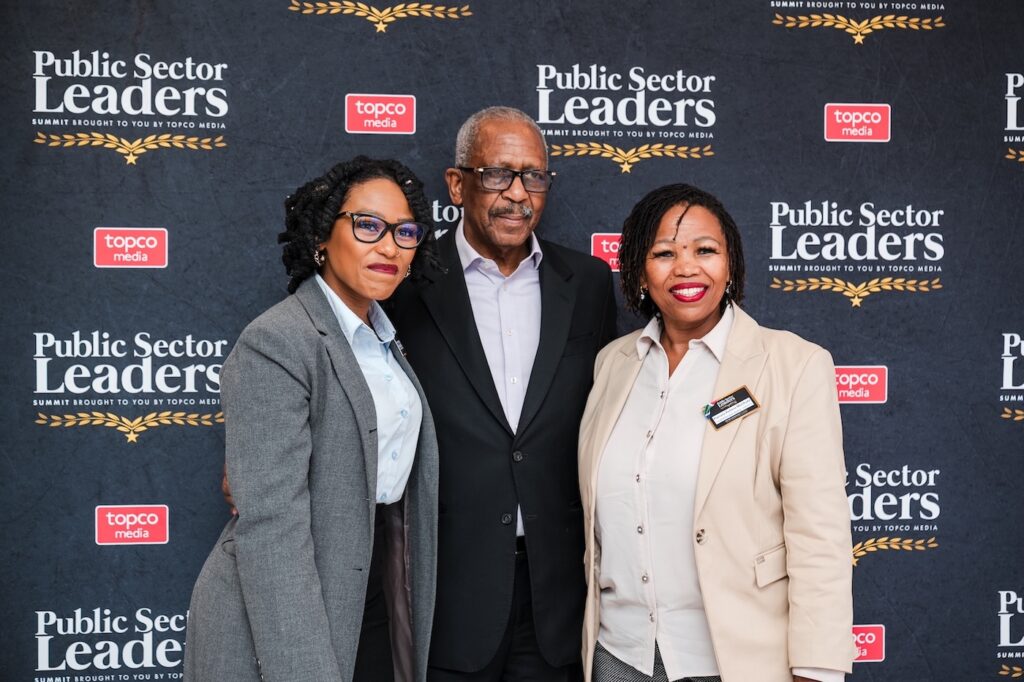
By Koketso Mamabolo
If one were to summarise the conversations which took place at this year’s Public Sector Leaders Summit in Johannesburg, you would need only one word: Access. From Dr Mathews Phosa’s keynote address about the need for an ethical state has public, and deputy minister of transport Mkhuleko Hlengwa’s speech detailing how access begins with mobility, to panel discussions about building a capable state, the two-day conference covered some of the most pressing issues the country is facing.
With unemployment sitting at 33.6% and service delivery dominating headlines as local elections draw closer, what the country is doing for residents at the most basic level was bound to guide much of the discourse.
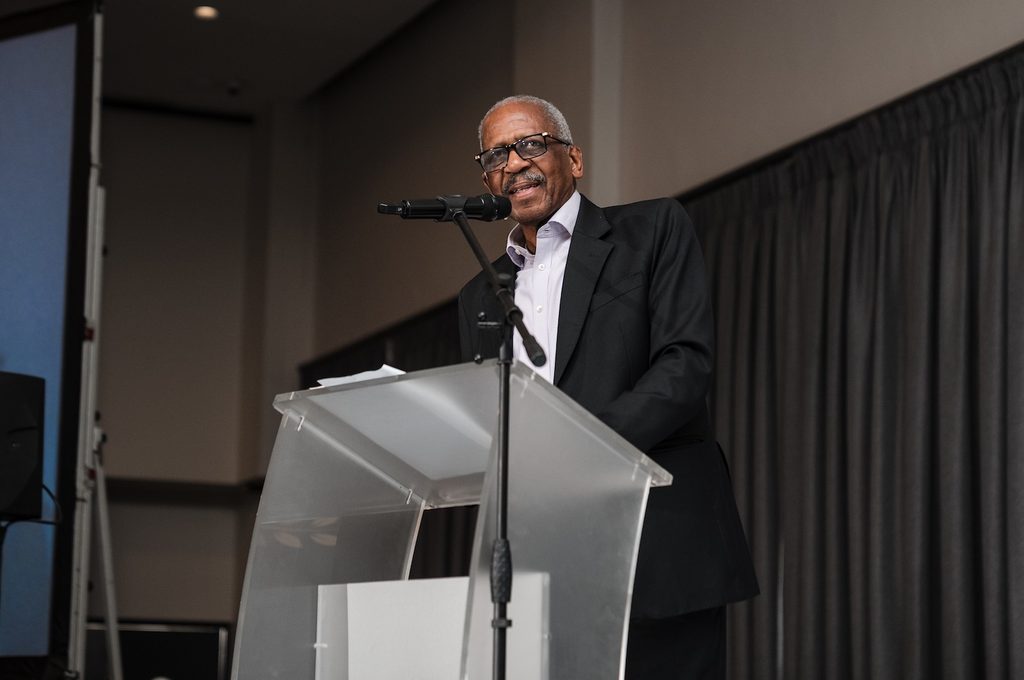
Under the theme “Turning policy into performance, promises into progress” the Public Sector Leaders Summit brought members of the executive, leaders of government agencies, municipal officials, heads of SOEs, and other state institutions together with leaders from business and academia.
Dr Phosa set the tone, honest and straightforward but with a clear belief that it is possible to pull things back from the brink. While there is much to lament, the sentiments shared over the two days reflect a broader optimism about our prospects in building a capable, responsive state.
The gap between aspirations and reality, as Hon. Hlengwa noted on the first day, will have to be bridged and the government held accountable based on the targets set and the promises made. And this performance can’t only be based on metrics without looking at tangible impacts of people’s lived experience.
“Success cannot only be measured by raw numbers,” said the deputy minister. In short, he was pointing to tangible results like people having easy access to state services and economic opportunities.
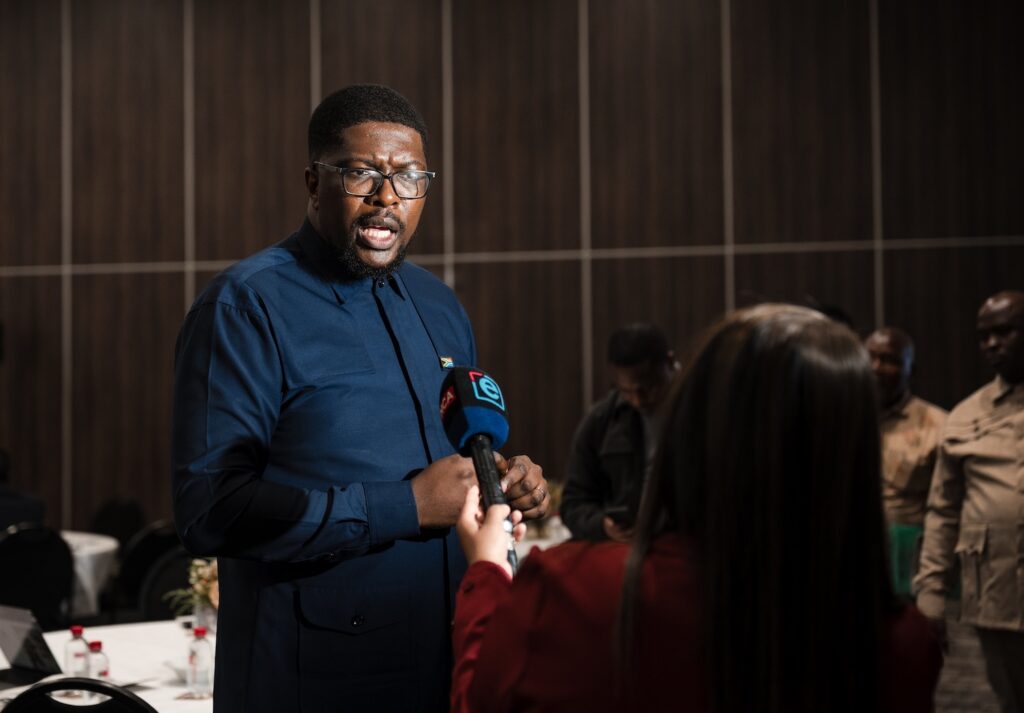
Speaking on a panel discussion about aligning strategy, culture and technology for citizen value, SANRAL’s CFO, Pretty Makukule, addressed the need for finance professionals to look beyond mere cost-containment and find ways to strategically allocate capital which can improve people’s lives. She used the example of climate resilient infrastructure which costs more but will create more value in the long-run.
Tahera Sayed Soror, director at the North West provincial treasury, said there is a misconception that compliance, service delivery, and transformation are not interconnected. “We need to report on impact.” Finding the balance, according to Tahera, can be found by understanding the rationale behind legislative frameworks which allows public officials to be agile and more responsive.
Dr Lulama Ngwenya, director of Kuhle Capital, called for a mindset shift due to the limited resources the government has. Unfortunately, the state has to create value with what it has and can leverage private sector capabilities to enhance service delivery.
Artificial intelligence has been framed as one of the biggest value drivers of the future, and while it, and digitalisation in general, will help the government become better at service delivery, Prof. Rajesh Mahabeer cautioned against jumping to remove human input.

Ultimately this all comes down to people – they are what make public institutions work. “We need to master statecraft,” said Public Service Commission deputy chair Dr Zukiswa Mqolomba, who described the hollowing out of skills in the state which struggles to attract the best people.
Beyond the broad discussions and insightful speeches, delegates were also given an example of the organisations who have found the right people and embody the spirit of innovative servant-leadership. Among the organisations recognised were the Auditor-General of South Africa, and SARS, with new commissioner Dr Johnstone Makhubu in attendance to accept the award.