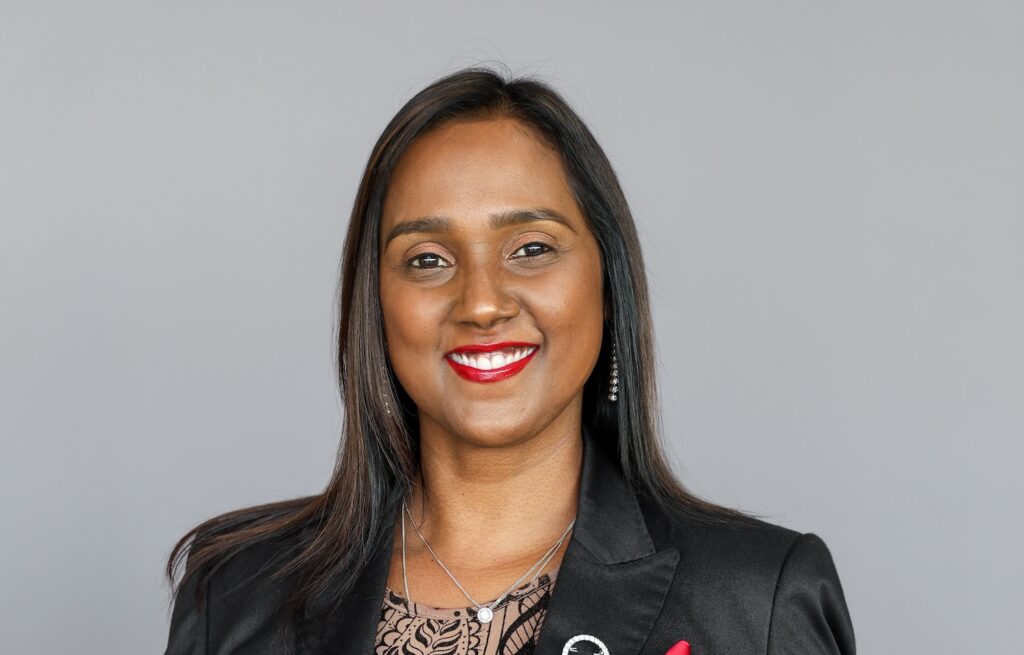
By Videsha Proothveerajh, Director of Vodacom Business
South Africa faces challenges of unprecedented complexity. Our water systems are losing nearly 40% of supply through inefficiency and theft. Energy demand continues to outpace supply. Citizens need access to government services without visiting physical offices. Municipalities struggle to collect revenue while maintaining essential infrastructure. These aren’t problems that any single entity, whether government or private sector, can solve alone.
This reality has led to a growing recognition that public-private partnerships (PPPs) are no longer an option, but a necessity. We know that not all partnerships are equal. The difference between those that transform societies and those that disappoint lies in the fundamental shift of moving from transactional relationships to genuine collaboration built on shared purpose and mutual trust.
Why traditional approaches fall short
For decades, PPPs were often structured around a simple exchange: government identifies a need, the private sector provides a solution, a contract is signed, and both parties move forward separately. This transactional model creates predictable outcomes, but rarely transformative ones. The private sector deploys technology, but without a deep understanding of Government’s operational constraints. Government benefits from innovation but lacks the ongoing partnership needed to adapt as circumstances change.
Disconnection inevitably emerges and promised benefits fail to materialise.
The most successful partnerships I’ve witnessed operate differently. They begin with an honest conversation about real challenges, followed by collaborative problem-solving where both parties share expertise, risk, and commitment to sustainable outcomes. Purpose comes before profit. Trust precedes contracts.
READ: Turning promises into progress at the Public Sector Leaders Summit
Vodacom business’s partnership approach in practice
Consider the Naledi Local Municipality smart metering project in the North-West Province. Naledi faced a crisis: electricity losses had reached 26%, far above the sustainable 5% threshold. Revenue collection was declining, threatening the municipality’s ability to pay Eskom and maintain service delivery. Rather than Vodacom Business simply installing meters and withdrawing, we entered into a genuine partnership.
This meant understanding the municipality’s operational reality, including their existing relationships with other service providers. It meant co-designing solutions with their teams, rather than imposing ours. It meant training local community members creating sustainable employment while building local capability. The result wasn’t just technology deployment, but institutional transformation.
Naledi deployed more than 6000 tamper-proof smart meters and reduced electricity losses to below 5%, dramatically improving revenue collection. More importantly, the municipality now has the knowledge and confidence to manage this system independently and scale it further.
But perhaps most significantly, the partnership was a proof-point to a template that demonstrates viability and proves ROI thereby encouraging other municipalities to embrace similar approaches. This is how innovation scales in the public sector: through proven examples and partnerships built on genuine collaboration.
The digital utility layer: Partnership as platform
Through our five-year partnership with the National Treasury, Vodacom Business is implementing an integrated digital layer across municipalities nationwide. This isn’t a series of isolated projects. It’s platform thinking recognising that energy, water, infrastructure, healthcare, education and citizen engagement cannot be managed in silos if we want to achieve sustainable outcomes.
Our smart utilities management system provides real-time consumption data that helps municipalities manage supply and reduce waste. Our Citizen Engagement app opens two-way communication between residents and local government, allowing citizens to log complaints and track progress while providing government with real-time feedback on service failures. Our Digital Water Tower initiative consolidates meter readings, consumption patterns and network maps into a single platform, enabling municipalities to detect leaks and manage supply proactively.
Individually, these technologies exist elsewhere. But their power emerges when they operate as an integrated system, supported by genuine institutional partnership between government and the private sector. This model survives budget cycles, leadership changes and regulatory evolution because it’s embedded in operational practice, not dependent on any single champion.
Trust as infrastructure
Effective PPPs recognise that technology is only part of the solution. Trust is equally critical infrastructure. Citizens need to believe that smart meters provide transparency, not control. Municipalities need confidence that their private sector partners understand the long-term public good, not just short-term commercial advantage. Government must trust that business partners will operate with integrity and resilience.
This trust is earned through transparency, through staying committed when initial results disappoint, and through ensuring that benefits are shared equitably. When the Naledi Municipality integrated smart meters with a secure banking app for electricity purchases, that wasn’t just a technical solution, but a threeway public private partnership safeguarding citizen dignity and financial inclusion alongside operational efficiency for the municipality affected by Vodacom Business.
The path forward
South Africa’s future depends on recognising that our most pressing challenges, energy security, water scarcity, inclusive economic growth, service delivery excellence, cannot be addressed by government acting alone or by the private sector pursuing independent advantage. They require genuine partnerships where both parties bring their distinct strengths, share risk proportionally, and commit to outcomes that benefit society broadly.
At Vodacom Business, we remain committed to being more than a technology vendor. We’re committed to being a genuine partner listening as much as we lead, understanding constraints before proposing solutions, and staying invested in long-term transformation. When government and the private sector work together authentically, guided by shared purpose and built on trust, the results extend far beyond project timelines.
They reshape how societies function and create foundations for sustainable progress that works for all.